Attic air sealing in Manhattan KS - a tighter attic and steadier rooms upstairs
Drafty rooms, a hot upstairs or a power bill that keeps climbing usually start in the attic. We find the gaps and close them.
What attic air sealing does for your houseand what we check first
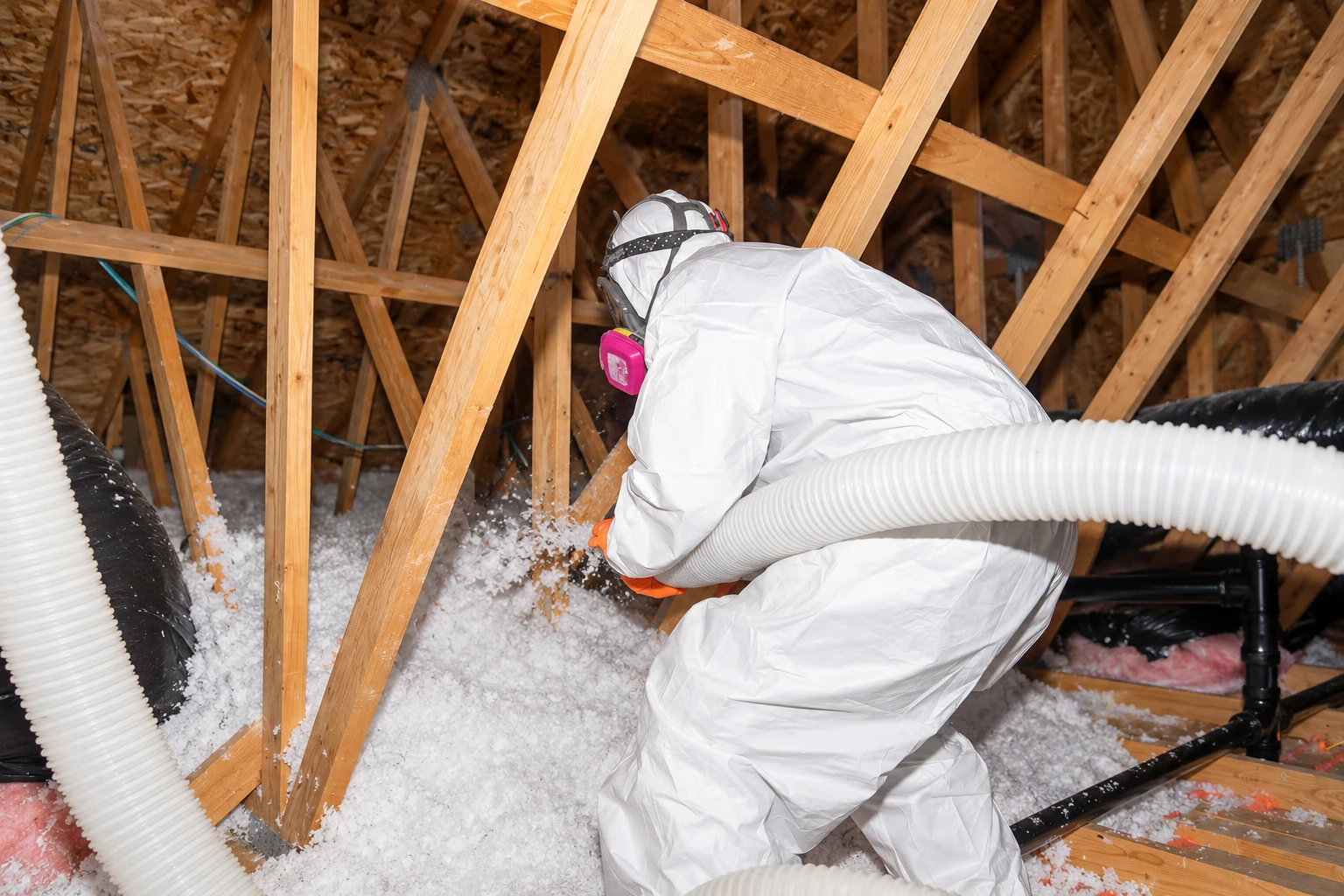
If the upstairs runs hot all summer, the room over the garage never warms up or the power bill keeps climbing, a lot of that air is usually slipping through gaps in the attic floor. Attic air sealing in Manhattan closes those gaps first, so the insulation on top isn't fighting a draft.
Price comes down to the size of your attic, how easy it is to move around in, how many gaps there are and whether old insulation has to be pulled back. The schedule turns on repairs that come first and any permit. At the estimate I'll show you what I found and the order I'd do it in.
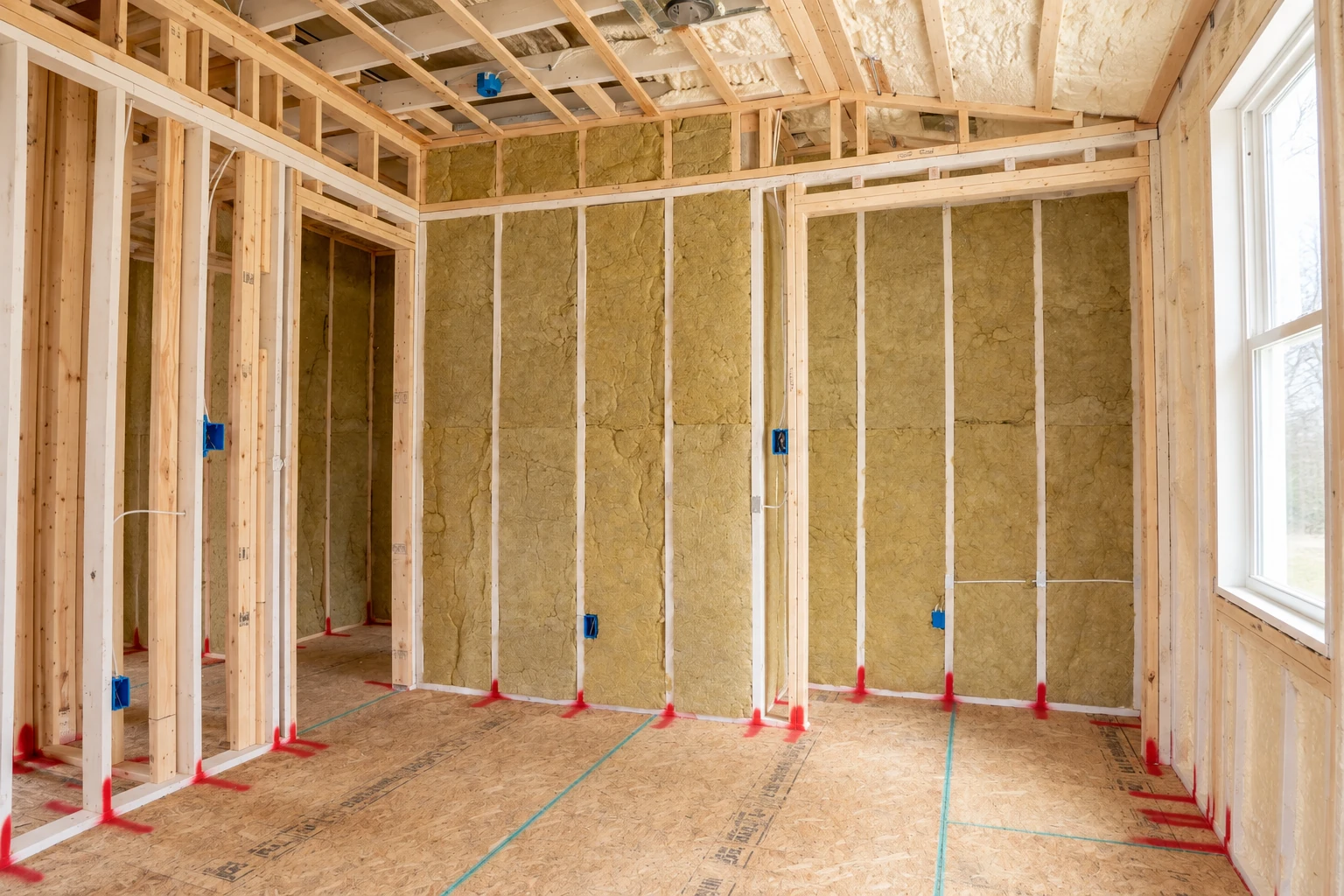
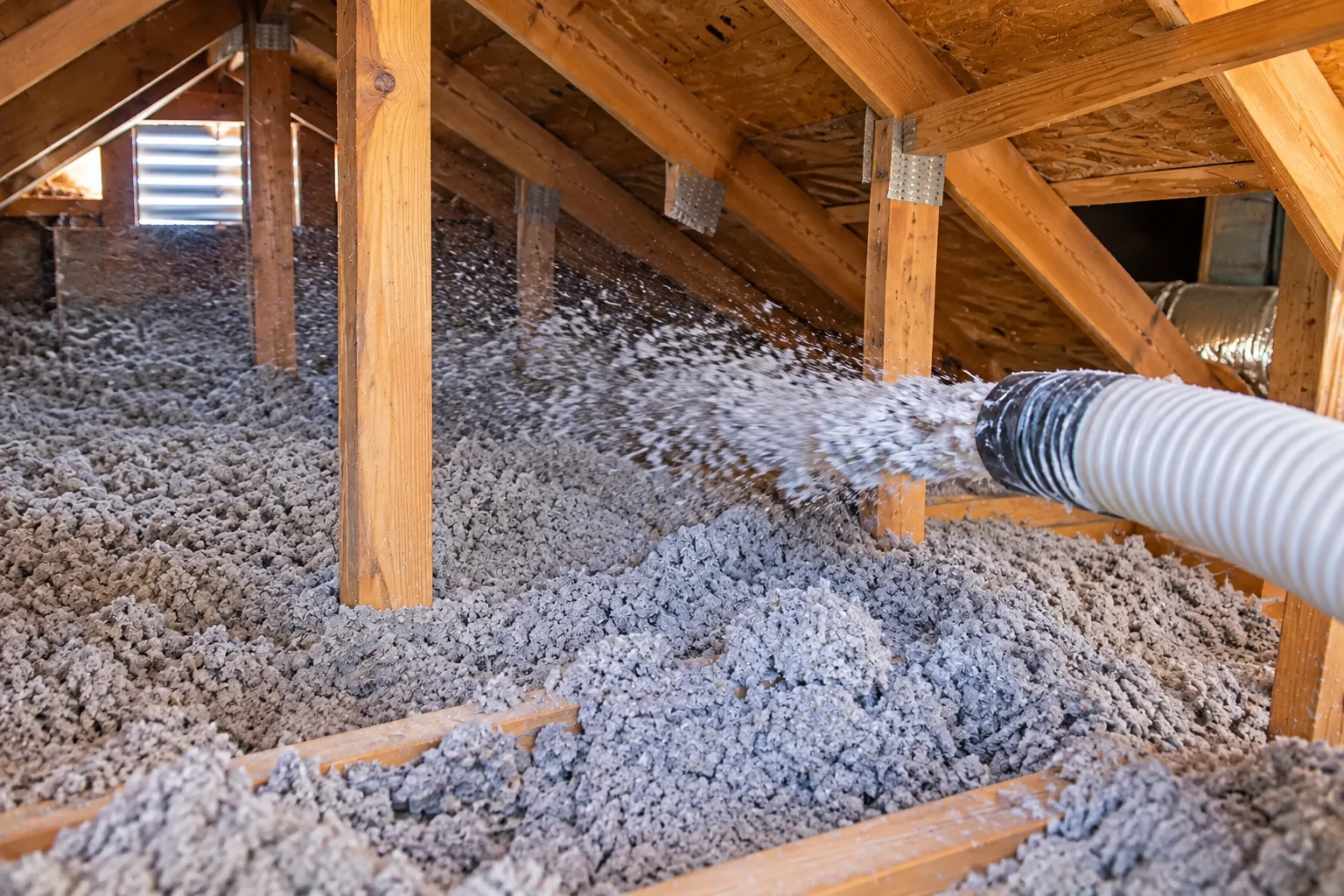
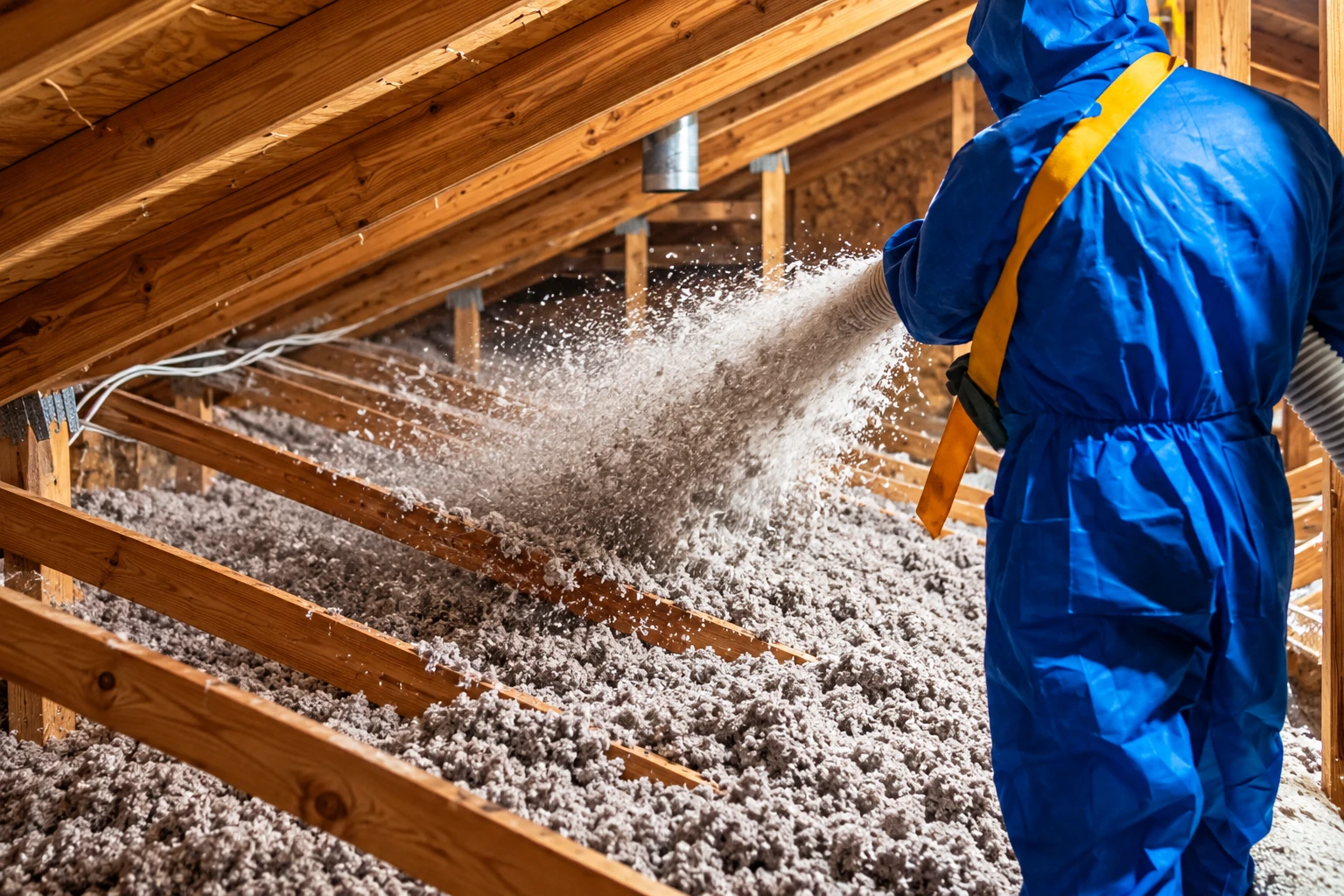
For most houses, sealing the gaps and then topping up the blown-in insulation, the loose fill already up there, gives you the most for the money. If your ductwork runs through the attic, I'd lean toward spray foam insulation instead, because it seals and insulates in one pass, though it costs more.
You'll know what I found up there and why each step comes when it does, so give us a call at (785) 236-2032.
The gaps attic air sealing closes up
Every attic leaks in its own spots, so we match the material to the gap, from a small crack around a wire to the open space beside a chimney.
Small cracks and wire holes
Where wiring and pipes pass through the tops of the walls, the small holes get caulk, because it stays put and leaves a tight seal without bulk.
Larger gaps and chases
Wider openings around plumbing stacks, duct runs and dropped ceilings get expanding spray foam, which fills the odd shapes that caulk can't bridge.
Around flues and chimneys
Foam doesn't belong next to a hot flue, so that gap should be closed with a heat-resistant material such as sheet metal to guard against fire.
Why Manhattan homeowners call Sterlingfor attic and insulation work
I take the time to show you what's in your attic and explain the order I'd do things in, so you know what you're paying for.
Habits from a municipal crew
I learned insulation on a municipal crew where every job got checked before it was signed off, and we've worked that way since opening in 2023.
I look at every attic myself
I come out to see each job in person, and when the work starts, our own installers do it with me on site.
We check under the old insulation
Before anything new goes in, we look at what's under the old material, so a wet spot or a vent dumping into the attic gets fixed instead of sealed over.
Licensed and insured for the job
We're licensed and insured. Manhattan licenses general contractors and has them prove at least $500,000 in liability coverage for each occurrence, so ask any crew you're weighing to show both.
Clear steps, backed by our guarantee
I explain what each step is for and why it comes when it does, including the corners nobody looks at, and the work is backed by our satisfaction guarantee.
Get your attic looked atby Sterling in Manhattan
Tell us what you're noticing, whether you have gas or oil appliances and how you reach the attic. We'll reply within one business day to set up your free in-person estimate, with no pressure to book.
From call to walkthroughon every attic we seal
I'd rather you understand each step than sign off on a mystery, so the estimate comes with what I saw and the order I'd do the work in.
You call or write
Call us or send a message through the form with what you're noticing, and we'll get back to you to set a time for me to come out.
I look the attic over
I come out myself, check the attic and the rooms under it, and walk you through what I see, what it'll cost and the order I'd do things in.
Permits and repairs first
Once you're ready, we get any permit squared away and clear a path to the attic, and repairs that have to come first get done before any sealing.
Sealing the gaps
Our installers and I work the attic together, closing every gap we marked during the visit, with the edges and corners getting the same care as the middle.
Walkthrough together
When we're done, I walk through the finished job with you and show you what we sealed and where, so you know what you paid for.
Questions about attic sealing
How do I know if my Manhattan home needs attic air sealing?
Rooms that never feel the same temperature, ice dams on the roof in winter, dry air inside all winter and dust showing up in the rooms under the attic are common signs. If you're seeing a couple of these, it's worth having someone look at the attic floor before you add anything up there.
Should attic air sealing be done before adding new insulation?
Yes, sealing comes first, because that order gets you the most energy savings and keeps air from moving right through the new insulation. The usual order handles combustion safety and fresh air in the house first, then attic ventilation, then sealing, then insulation. If you're planning retrofit insulation too, we seal before it goes in.
Is attic air sealing safe if I have a gas furnace or water heater?
It can be, as long as the appliances get checked, because tightening up a house can in some cases push combustion gases back inside instead of out the flue. With gas or oil appliances, you can hire a Home Performance Contractor to test that they vent properly before and after the sealing. Tell us about them at the estimate so that test fits into the plan.
How much does attic air sealing cost in Manhattan, KS?
Attic air sealing in Manhattan usually costs about $500 to $4,700 per job. A small, open attic with a handful of gaps tends to sit near the low end, and a large or cramped attic with repairs to handle first pushes it higher. I'll give you your own number after I've been up there.
What needs to be fixed in my attic before air sealing?
Wet insulation, moldy or rotted rafters, vents that blow into the attic and little or no attic ventilation should be fixed before sealing, and wet insulation often means a roof leak to repair first. Knob and tube wiring, the old kind run on porcelain knobs, can be a fire hazard against insulation and gets corrected too. Flaky gray vermiculite may contain asbestos, so it stays untouched until an approved lab tests it.
What is the best way to seal an attic hatch?
Seal it and insulate it, because an open hatch lets the air you paid to heat or cool slip out in every season. It's one of the easiest spots to overlook, so ask any contractor whether the hatch is part of the job. On ours, it is.
Attic air sealing around Manhattan
We're based in Manhattan and seal attics across the cities around it, like Junction City and Abilene. The city keeps a list of work that needs no building permit, and we check your job against it before we start.
Book attic air sealing in Manhattanwith a call or the form
We answer the phone until 10 PM on weekdays and 9 PM on weekends, so you can ask about attic air sealing after work at (785) 236-2032 or send the form whenever it suits you.